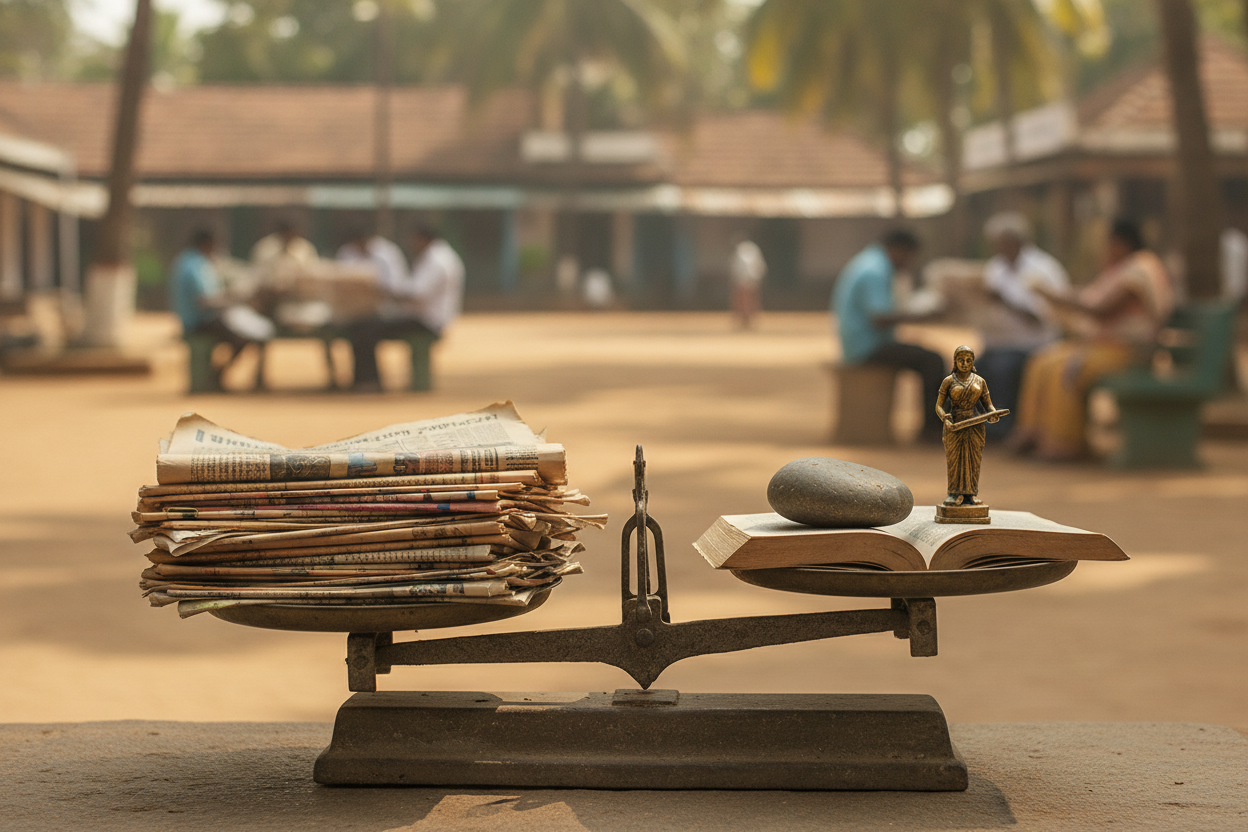
Understanding Malayalam Reading Habits

Find out how Malayalam readers engage with long-form content, what keeps them reading, and how to write for them better.

Understanding Malayalam reading habits is useful for anyone who wants to write better blog content for this audience. Readers are often drawn to writing that feels thoughtful, culturally aware, and linguistically natural. They may enjoy long-form articles, but only when the text respects their time and rewards sustained attention. That means the writing must be clear, meaningful, and well paced.

One important habit is the preference for depth over speed. Many Malayalam readers appreciate articles that explain context, develop ideas slowly, and connect the personal with the social. This makes long-form blogging a strong fit for the audience, especially when the subject touches literature, Kerala culture, or current affairs. Readers often want to understand not just what is happening, but why it matters.

Another key point is tone. Malayalam readers tend to respond well to writing that feels sincere and grounded. Overly promotional or exaggerated language can create distance. A calm, informed voice usually works better because it feels trustworthy. This is especially true on a blog that aims to build a regular readership over time.

Design also plays a role. Clean formatting, readable paragraphs, and a distraction-free layout help support reading habits. When the page feels comfortable, readers are more willing to stay longer. But the text itself remains the main attraction. A strong article should offer examples, reflection, and a clear line of thought from beginning to end.

For Chinthaakulam, understanding reader behavior can shape both content and structure. It can help the blog choose topics, set the pace of articles, and maintain consistency across posts. The better a writer understands the reader, the more likely it is that the reader will return. That relationship is the foundation of a successful blog.


Literary Voices in Kerala

Trace the literary voices that continue to shape Kerala’s reading culture, from classic styles to contemporary expression.

Kerala’s literary voices have always shaped public imagination in powerful ways. Writers, poets, essayists, and critics do more than produce books. They influence how readers think about identity, justice, memory, and language. That influence continues today, even as reading habits change and digital spaces expand. The voice of literature has not faded; it has moved into new forms and platforms.

What makes Kerala’s literary culture distinctive is its range. Some writers speak through direct social observation, while others lean toward lyrical expression or philosophical depth. Together, they create a conversation that is both local and universal. Readers may come to a text for its style, but they stay for its ability to reveal something true about life. That is the enduring strength of literary writing.

For a long-form blog, exploring literary voices can take many shapes. You might write about a classic author, a current poet, a regional trend, or a recurring theme in contemporary writing. The key is to show how literature connects with the wider culture. A writer is never isolated from society. Their language carries the marks of their time, their place, and their audience.

Malayalam readers often appreciate writing that respects this connection between art and life. That is why literary commentary can be so engaging when it is done carefully. It does not just praise a writer’s skill. It explains why that voice matters now. It also helps newer readers find entry points into works they may not yet know.

Chinthaakulam can serve as a meeting point for these discussions. By highlighting literary voices in a clear and thoughtful way, the blog becomes more than a place for articles. It becomes a space where reading culture is actively discussed, remembered, and renewed.

Current Affairs for Malayalam Readers

Stay informed with clear, context-rich coverage of current affairs that speaks to Malayalam readers and their daily concerns.

Current affairs become more useful when they are explained with context, not just reported as isolated events. Malayalam readers often want more than the headline. They want to understand why something happened, who it affects, and what it means in the larger social picture. That is where long-form blogging can offer real value.

Good current affairs writing should begin with clarity. The reader needs to know what the issue is, but also why it matters now. From there, the article can move into background, patterns, and possible implications. This approach is especially helpful for topics related to Kerala politics, public policy, education, media, and social debate. These subjects are rarely simple, and readers appreciate writing that respects that complexity.

For a blog like Chinthaakulam, current affairs articles should not feel rushed or purely reactive. Instead, they should be thoughtful enough to remain readable even after the news cycle has moved on. That means using clear language, avoiding unnecessary noise, and focusing on the parts of the issue that deserve closer attention. The aim is not to overwhelm the reader, but to help them see the shape of the story.

Another strength of current affairs writing is that it can connect the immediate to the personal. A policy decision may affect a family budget, a school routine, a workplace norm, or a neighborhood discussion. When readers see that connection, the article feels relevant in a direct way. It no longer feels distant or abstract.

Well-written current affairs content can become a habit for readers who want to stay informed without feeling exhausted. It gives them a dependable place to return to for clarity, not just news. That kind of trust is one of the most valuable things a Malayalam blog can build.

Reading Long-Form Malayalam Articles

Build a better reading habit with long-form Malayalam articles that reward attention, reflection, and deeper understanding.

Long-form Malayalam articles offer something that quick content rarely can: space to think. When a piece is written with care, readers are not just scanning information. They are entering a slower rhythm that allows ideas to settle, connect, and grow. That is one reason long articles continue to matter for Malayalam readers who value reflection and literary depth.

A good reading experience begins with trust. The article should feel organized, clear, and respectful of the reader’s time. Even when the subject is complex, the writing should move forward smoothly, with each paragraph adding something useful. In Malayalam blogging, this often means balancing familiar expressions with precise explanation. The result is content that feels approachable without becoming shallow.

Reading long-form also supports stronger engagement with culture, literature, and current affairs. A short post may inform, but a long article can explain context, contrast opinions, and show how one issue connects to another. For readers interested in Kerala society, that broader view is especially valuable. It allows them to see the patterns behind events rather than only the headlines.

If you run a WordPress blog like Chinthaakulam, you can improve long-form reading by keeping the page clean and distraction-free. Simple typography, enough spacing, and a focused layout help readers stay with the article longer. More important, the writing itself should reward patience. Use examples, transitions, and careful argument so the reader feels guided rather than overloaded.

In the end, long-form Malayalam articles are not just longer versions of short posts. They are a different reading experience altogether. They invite attention, memory, and conversation. For the right audience, that is exactly what makes them memorable.

Social Commentary with Balance

Write social commentary that is thoughtful, fair, and grounded in the realities Malayalam readers discuss every day.

Social commentary works best when it is both honest and balanced. Readers may come for a strong opinion, but they stay for a writer who can explain why an issue matters without reducing it to slogans. For a Malayalam blog audience, this kind of writing has real value because it respects complexity while still taking a clear position.

Balanced commentary begins with observation. Before judging a trend, policy, habit, or public reaction, it helps to ask what is actually happening and who is affected. That does not mean avoiding strong views. It means building them on evidence, context, and a careful reading of the situation. When commentary is grounded in reality, readers are more likely to trust it, even if they do not fully agree.

This style is especially important in discussions about Kerala society, digital behavior, education, media narratives, and generational change. These topics often provoke quick reactions, but thoughtful writing can slow the conversation down in a useful way. Instead of amplifying noise, it can clarify what is at stake. That makes the article more durable and more useful over time.

For a blog like Chinthaakulam, social commentary also offers a chance to build identity. A consistent tone tells readers what kind of thinking they can expect from the site. If the writing is measured, clear, and principled, the audience begins to see the blog as a reliable place for reflection, not just reaction.

The best commentary leaves room for the reader to continue the thought. It does not need to dominate the conversation. It only needs to offer a sharper, fairer way to see it. That is what gives Malayalam social commentary its lasting strength.