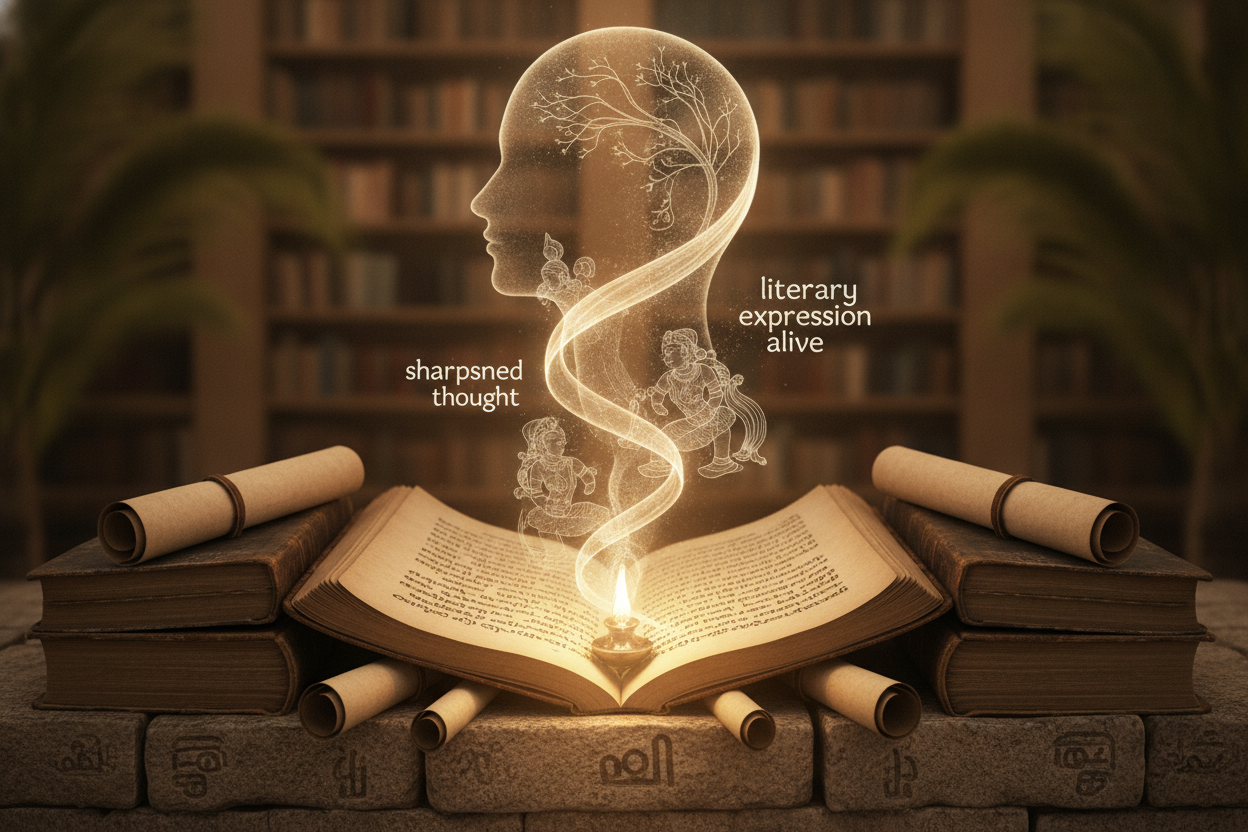
Literary Voices in Kerala

Trace the literary voices that continue to shape Kerala’s reading culture, from classic styles to contemporary expression.

Kerala’s literary voices have always shaped public imagination in powerful ways. Writers, poets, essayists, and critics do more than produce books. They influence how readers think about identity, justice, memory, and language. That influence continues today, even as reading habits change and digital spaces expand. The voice of literature has not faded; it has moved into new forms and platforms.

What makes Kerala’s literary culture distinctive is its range. Some writers speak through direct social observation, while others lean toward lyrical expression or philosophical depth. Together, they create a conversation that is both local and universal. Readers may come to a text for its style, but they stay for its ability to reveal something true about life. That is the enduring strength of literary writing.

For a long-form blog, exploring literary voices can take many shapes. You might write about a classic author, a current poet, a regional trend, or a recurring theme in contemporary writing. The key is to show how literature connects with the wider culture. A writer is never isolated from society. Their language carries the marks of their time, their place, and their audience.

Malayalam readers often appreciate writing that respects this connection between art and life. That is why literary commentary can be so engaging when it is done carefully. It does not just praise a writer’s skill. It explains why that voice matters now. It also helps newer readers find entry points into works they may not yet know.

Chinthaakulam can serve as a meeting point for these discussions. By highlighting literary voices in a clear and thoughtful way, the blog becomes more than a place for articles. It becomes a space where reading culture is actively discussed, remembered, and renewed.

Malayalam Literature for New Readers

A simple guide to Malayalam literature for beginners who want to start reading with confidence and real enjoyment.

Malayalam literature can feel vast at first, but new readers do not need to approach it with hesitation. The best way to begin is to see literature as a conversation across time, not as a closed and difficult archive. Once that mindset changes, the reading experience becomes much more inviting. Stories, essays, poems, and criticism all open different paths into the language and its cultural imagination.

For beginners, starting with accessible prose can be a smart choice. Short stories and essays often offer a gentle introduction because they combine clear language with strong emotional or social themes. From there, readers can move toward more layered works. The important thing is not to rush. Literature rewards patience, and Malayalam writing in particular often deepens with repeated reading.

It also helps to read with context. Learning something about the writer, the historical period, or the social issue behind a text can make the work feel more alive. Literature is never only about isolated sentences. It reflects lived experience, public change, and personal memory. That is why even a small passage can reveal a larger world.

For a blog audience, an article like this can serve as a bridge between curiosity and confidence. Readers who have always wanted to explore Malayalam literature may simply need a practical way to begin. Suggesting a thoughtful reading rhythm, noting what kinds of texts to try first, and encouraging reflection can make the journey less intimidating.

Chinthaakulam can use articles like this to welcome new readers into the wider literary space. Instead of presenting literature as elite or distant, the blog can frame it as something living, approachable, and rewarding. That invitation matters. It is often the first step toward a lasting reading habit.

How to Structure Essays

Learn a simple essay structure that helps Malayalam blog posts flow clearly, build ideas well, and keep readers engaged.

A well-structured essay makes even a complex idea feel readable. For Malayalam blog writing, structure matters because it guides the reader through reflection without making the piece feel mechanical. The best essays usually begin with a clear point of entry, move through connected observations, and end with a conclusion that feels earned rather than forced.

Start by identifying the central idea in one sentence. This helps you avoid drifting too far from the purpose of the article. Once that idea is clear, you can build around it with examples, memories, comparisons, or questions. A strong essay does not need many unrelated points. It needs a few meaningful ones that are developed well.

Transitions are especially important in long-form writing. If one paragraph discusses a personal experience, the next should naturally lead into its broader significance. That flow keeps readers from feeling lost. In a Malayalam blog, where tone can be intimate and reflective, smooth transitions help preserve the voice while keeping the argument organized.

The middle of the essay should do the real work. This is where you explain context, test ideas, or contrast perspectives. Avoid rushing toward the ending too quickly. Readers appreciate when a writer gives the subject enough space to reveal its depth. The conclusion should not simply repeat the beginning. Instead, it should open the idea slightly, leaving the reader with something to think about.

For bloggers on Chinthaakulam, structure is a practical tool as much as a creative one. It helps each article feel polished and trustworthy. When the structure is strong, the writing can be more expressive, because the reader never has to struggle to follow the path. That is how an essay becomes both thoughtful and enjoyable to read.

Reading Long-Form Malayalam Articles

Build a better reading habit with long-form Malayalam articles that reward attention, reflection, and deeper understanding.

Long-form Malayalam articles offer something that quick content rarely can: space to think. When a piece is written with care, readers are not just scanning information. They are entering a slower rhythm that allows ideas to settle, connect, and grow. That is one reason long articles continue to matter for Malayalam readers who value reflection and literary depth.

A good reading experience begins with trust. The article should feel organized, clear, and respectful of the reader’s time. Even when the subject is complex, the writing should move forward smoothly, with each paragraph adding something useful. In Malayalam blogging, this often means balancing familiar expressions with precise explanation. The result is content that feels approachable without becoming shallow.

Reading long-form also supports stronger engagement with culture, literature, and current affairs. A short post may inform, but a long article can explain context, contrast opinions, and show how one issue connects to another. For readers interested in Kerala society, that broader view is especially valuable. It allows them to see the patterns behind events rather than only the headlines.

If you run a WordPress blog like Chinthaakulam, you can improve long-form reading by keeping the page clean and distraction-free. Simple typography, enough spacing, and a focused layout help readers stay with the article longer. More important, the writing itself should reward patience. Use examples, transitions, and careful argument so the reader feels guided rather than overloaded.

In the end, long-form Malayalam articles are not just longer versions of short posts. They are a different reading experience altogether. They invite attention, memory, and conversation. For the right audience, that is exactly what makes them memorable.

Why Malayalam Essays Matter

Explore how Malayalam essays preserve memory, sharpen thought, and keep literary expression alive for modern readers.

Malayalam essays matter because they give space for thought, nuance, and personal voice. In an age of short updates and quick reactions, the essay remains one of the best forms for careful reflection. It allows a writer to move from observation to interpretation without losing emotional depth. For readers, that creates a slower and more rewarding experience.

A strong Malayalam essay often begins with something ordinary and then reveals a wider idea beneath it. A street scene, a news report, a childhood memory, or a social habit can become the starting point for a larger meditation. This style works well because Malayalam writing has long carried a tradition of close attention to language and feeling. The essay does not have to shout to be effective; it only needs to be precise and sincere.

For a blog focused on long-form content, essays are especially valuable. They allow the writer to explore social change, literary memory, ethical questions, or emotional contradictions without forcing a quick answer. Readers who enjoy serious content often return to essays because they offer both insight and texture. They do not just tell the reader what to think; they create room to think.

There is also a cultural role here. Malayalam essays help preserve a conversational style of thinking that is intimate, reflective, and grounded in local life. They can speak about Kerala’s present without losing sight of its literary past. That makes them ideal for a site like Chinthaakulam, where the goal is not only to publish articles, but to create a space for meaningful reading. When essays are written well, they become more than content. They become a record of how a community thinks, feels, and changes over time.