Everyday Life in Kerala

Explore the small routines, habits, and social rhythms that make everyday life in Kerala unique and worth writing about.

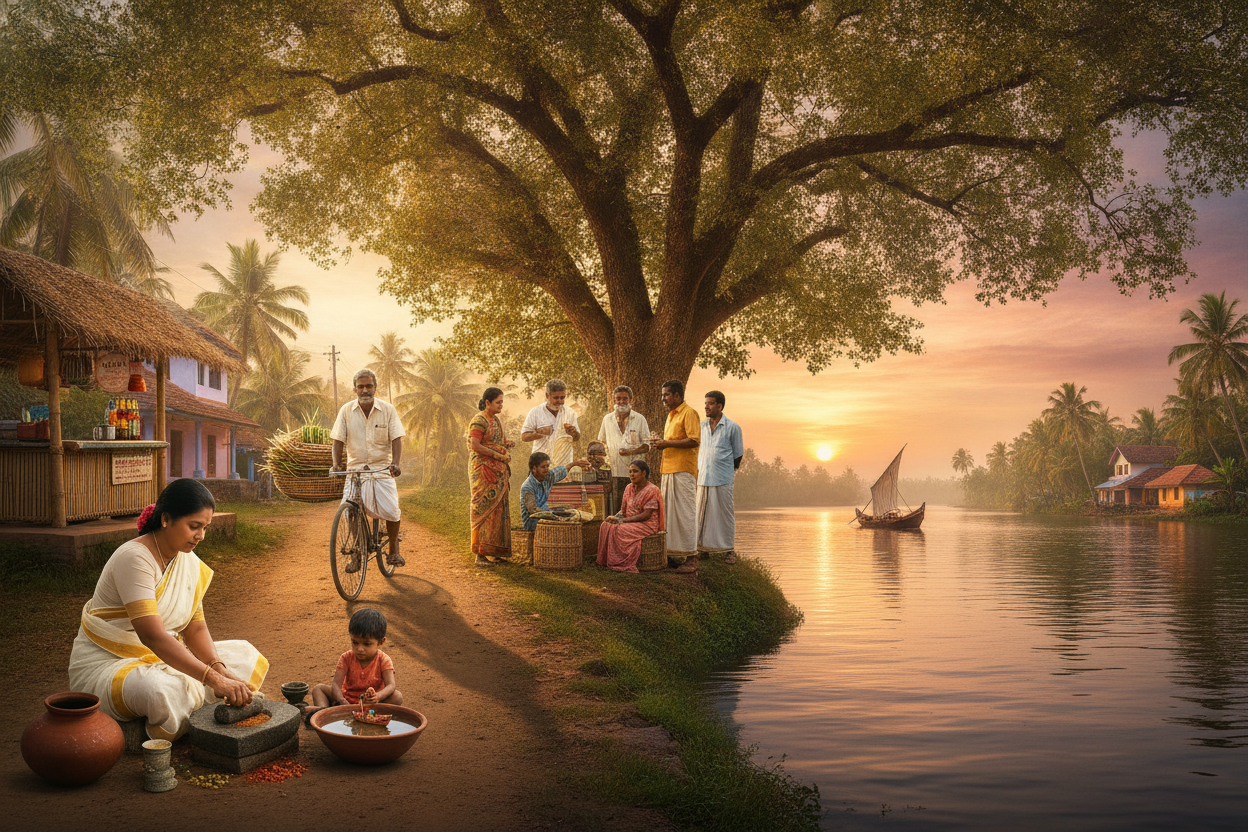
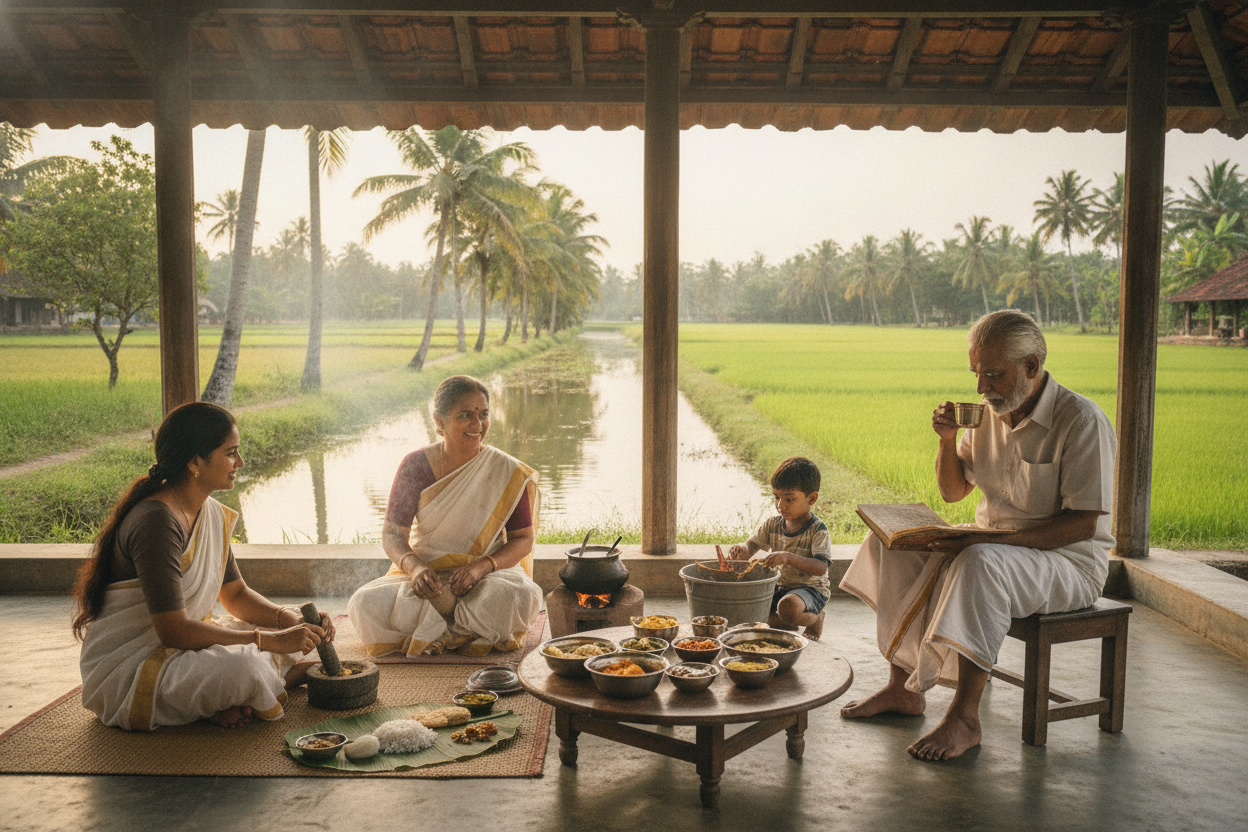
Everyday life in Kerala is full of details that often go unnoticed until someone writes about them carefully. Morning routines, bus stops, tea shops, school runs, local markets, and evening conversations all create a social rhythm that is deeply familiar to residents. These ordinary moments are valuable because they reveal how people actually live, not just how they are seen in public narratives.

A good article on everyday life should pay attention to texture. What do people notice on their way to work? How do neighbors interact? What small habits define a household? These details give shape to the larger social picture. They also make the writing feel vivid and close to the reader’s experience. For a Malayalam audience, that closeness is often what makes an article memorable.

There is also a cultural layer here. Everyday life reflects values such as hospitality, community, discipline, humor, and adaptability. It is in ordinary routines that those values become visible. A simple lunch break or a shared conversation can say a great deal about how people relate to one another. That is why this topic works so well in long-form blogging.

For Chinthaakulam, writing about daily life can create a strong bridge between culture and commentary. The article may begin with observation, then move toward reflection on how life is changing in urban and rural settings. That combination keeps the piece grounded while also giving it broader meaning.

Readers return to articles like this because they recognize themselves in them. The best writing on everyday life does not try to make the ordinary seem extraordinary. It simply shows that ordinary life is already full of insight, if we take the time to notice it.
Malayalam Literature for New Readers

A simple guide to Malayalam literature for beginners who want to start reading with confidence and real enjoyment.

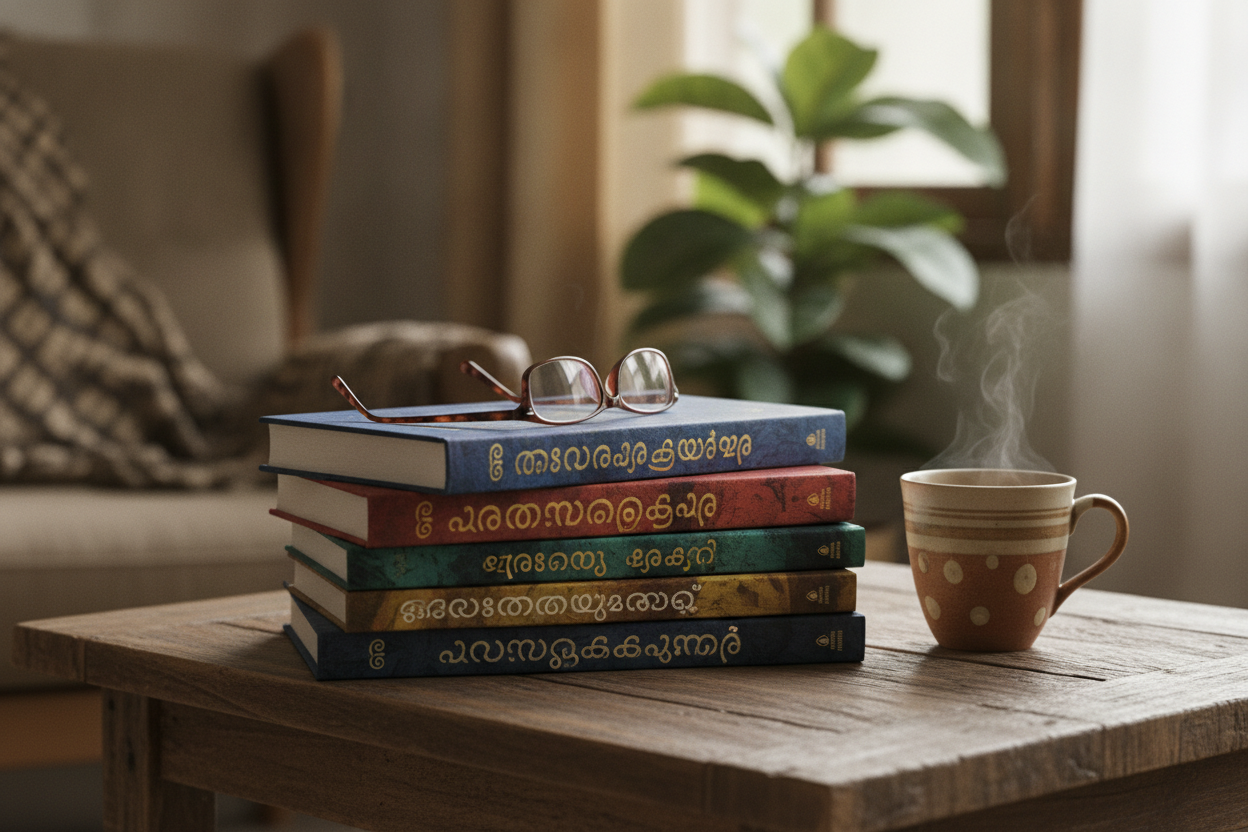
Malayalam literature can feel vast at first, but new readers do not need to approach it with hesitation. The best way to begin is to see literature as a conversation across time, not as a closed and difficult archive. Once that mindset changes, the reading experience becomes much more inviting. Stories, essays, poems, and criticism all open different paths into the language and its cultural imagination.

For beginners, starting with accessible prose can be a smart choice. Short stories and essays often offer a gentle introduction because they combine clear language with strong emotional or social themes. From there, readers can move toward more layered works. The important thing is not to rush. Literature rewards patience, and Malayalam writing in particular often deepens with repeated reading.

It also helps to read with context. Learning something about the writer, the historical period, or the social issue behind a text can make the work feel more alive. Literature is never only about isolated sentences. It reflects lived experience, public change, and personal memory. That is why even a small passage can reveal a larger world.

For a blog audience, an article like this can serve as a bridge between curiosity and confidence. Readers who have always wanted to explore Malayalam literature may simply need a practical way to begin. Suggesting a thoughtful reading rhythm, noting what kinds of texts to try first, and encouraging reflection can make the journey less intimidating.

Chinthaakulam can use articles like this to welcome new readers into the wider literary space. Instead of presenting literature as elite or distant, the blog can frame it as something living, approachable, and rewarding. That invitation matters. It is often the first step toward a lasting reading habit.

Kerala Culture Beyond Festivals

Look past the festival calendar and discover the everyday Kerala culture that shapes language, food, habits, and identity.

When people think about Kerala culture, festivals often come first. Yet culture lives just as strongly in the ordinary routines that do not always make headlines. The way people greet one another, cook daily meals, arrange family roles, speak in local idioms, or share stories at home all reveal cultural identity in quieter ways. These everyday details deserve attention because they show how culture functions beyond celebration.

Writing about Kerala culture beyond festivals also helps avoid a narrow view of tradition. Festivals are important, but they are not the whole picture. Daily life carries habits that are just as meaningful: tea-time conversations, the rhythm of local transport, neighborhood networks, and the relationship between home and community. These moments often tell readers more about a society than a single grand event can.

For long-form blogging, this subject works especially well because it invites layered description. You can move from the personal to the social, from memory to observation, and from the present to the past. That gives the article emotional depth without losing focus. It also helps readers recognize themselves in the details, which makes the writing feel intimate and true.

A thoughtful article on this theme can also connect culture with change. As Kerala becomes more urban, digital, and mobile, some daily customs shift while others remain steady. That tension is worth exploring. It shows that culture is not frozen; it is active, adaptable, and lived every day.

For readers of Chinthaakulam, this kind of article offers both familiarity and insight. It reminds them that culture is not only something to celebrate on special days. It is something they practice continuously, often without noticing, in the ordinary flow of life.

Why Malayalam Essays Matter

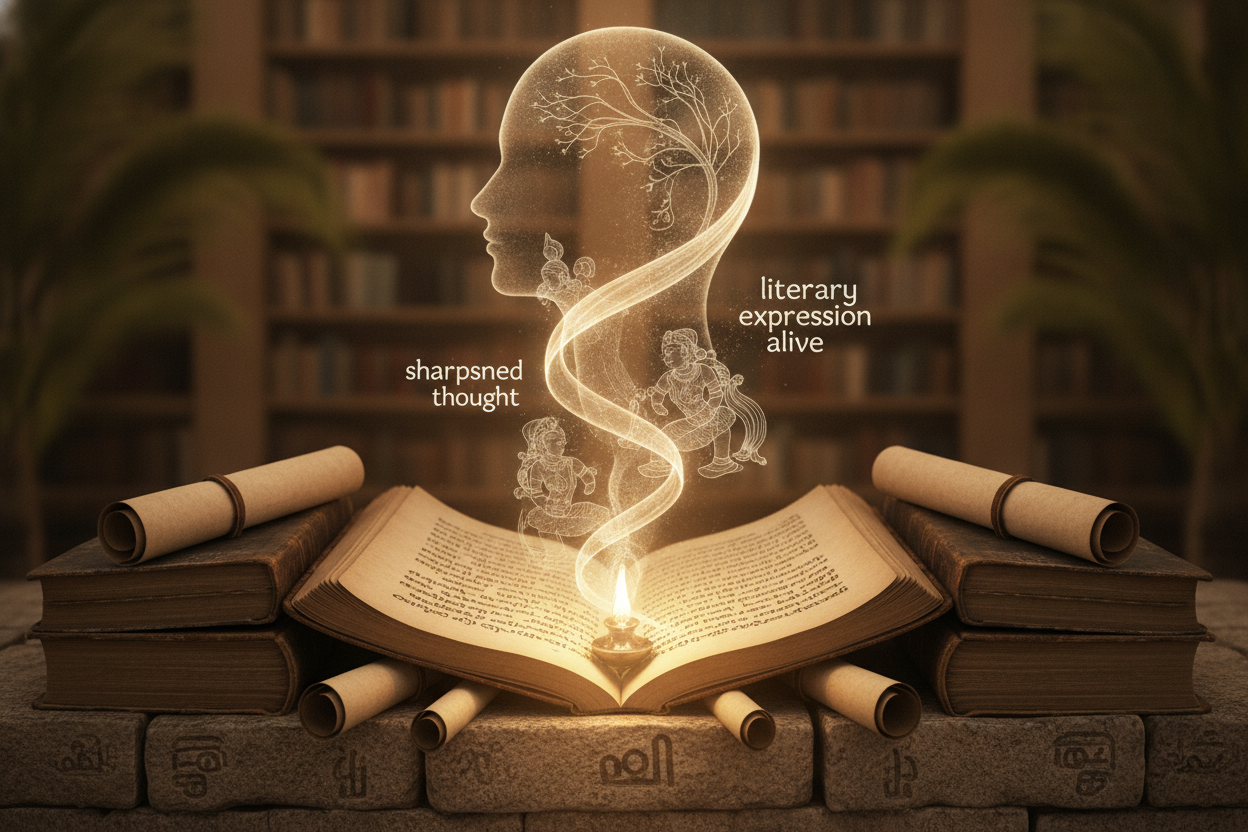
Explore how Malayalam essays preserve memory, sharpen thought, and keep literary expression alive for modern readers.

Malayalam essays matter because they give space for thought, nuance, and personal voice. In an age of short updates and quick reactions, the essay remains one of the best forms for careful reflection. It allows a writer to move from observation to interpretation without losing emotional depth. For readers, that creates a slower and more rewarding experience.

A strong Malayalam essay often begins with something ordinary and then reveals a wider idea beneath it. A street scene, a news report, a childhood memory, or a social habit can become the starting point for a larger meditation. This style works well because Malayalam writing has long carried a tradition of close attention to language and feeling. The essay does not have to shout to be effective; it only needs to be precise and sincere.

For a blog focused on long-form content, essays are especially valuable. They allow the writer to explore social change, literary memory, ethical questions, or emotional contradictions without forcing a quick answer. Readers who enjoy serious content often return to essays because they offer both insight and texture. They do not just tell the reader what to think; they create room to think.

There is also a cultural role here. Malayalam essays help preserve a conversational style of thinking that is intimate, reflective, and grounded in local life. They can speak about Kerala’s present without losing sight of its literary past. That makes them ideal for a site like Chinthaakulam, where the goal is not only to publish articles, but to create a space for meaningful reading. When essays are written well, they become more than content. They become a record of how a community thinks, feels, and changes over time.

Kerala Traditions in Modern Life

See how Kerala traditions continue to shape daily life, family values, and community identity in a rapidly changing world.

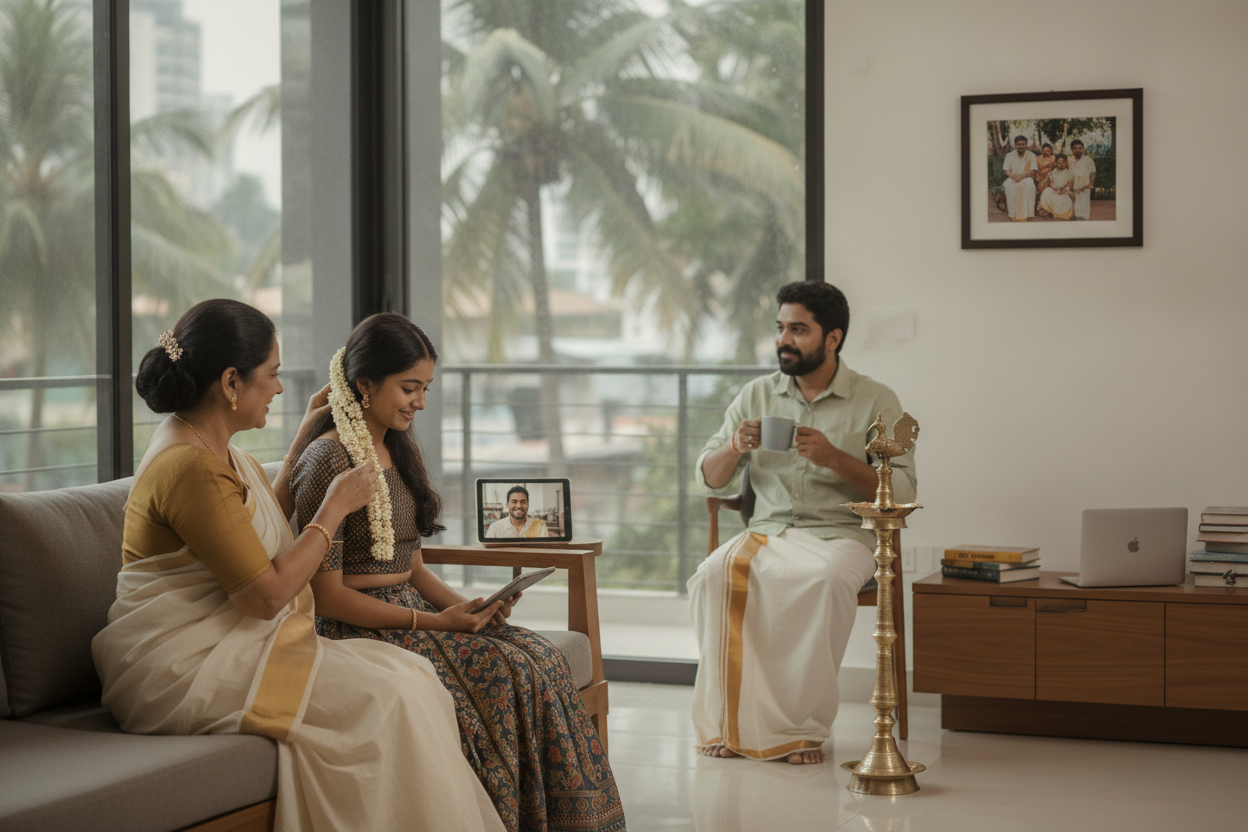
Kerala traditions remain visible in small daily choices, even when modern life seems to move in a very different direction. Rituals, food habits, greetings, festival customs, and family structures all carry traces of older cultural patterns. What makes these traditions interesting is not only their age, but also their ability to adapt. They do not simply survive by staying unchanged; they survive by finding new forms.

For many people, tradition appears most clearly during festivals and family gatherings. Onam, Vishu, weddings, and temple visits are not just events on a calendar. They are moments when memory, identity, and community come together. At the same time, younger generations often reinterpret these practices through social media, travel, and urban lifestyles. That tension between continuity and change is what makes Kerala culture so rich to write about.

A good cultural article should avoid nostalgia that freezes the past. Instead, it can explore how old habits still matter in new settings. For example, a traditional meal served at home may now appear in a restaurant context, or a family story may be shared through a digital platform. These shifts do not erase meaning; they move it into a new space.

Readers who love long-form blogging usually respond well to this kind of reflection because it invites them to compare their own experiences. They may remember how a custom felt in childhood and notice how it appears now. That comparison creates emotional depth. When you write about Kerala traditions with honesty and detail, you are not only describing customs. You are documenting living culture as it continues to evolve in everyday life.

Malayalam Blogging Ideas That Work

Discover blog post ideas that connect with Malayalam readers while keeping your writing fresh, relevant, and easy to publish.

Writing for a Malayalam-reading audience means balancing clarity, cultural familiarity, and a voice that feels genuine. A strong blog idea does not need to be complicated; it needs to feel timely and worth the reader’s attention. Start with topics that already live in daily conversation, such as language, family traditions, local media, travel, or changing habits in Kerala. These subjects create an immediate connection because readers recognize their own lives in them.

One reliable approach is to turn simple observations into broader reflections. A bus ride, a festival moment, a school memory, or a neighborhood discussion can become a thoughtful article when you shape it around emotion and insight. Long-form blogging works especially well here because Malayalam readers often appreciate depth, rhythm, and a voice that respects context. Instead of rushing to the conclusion, let the idea unfold naturally and build meaning step by step.

It also helps to mix evergreen topics with current concerns. Evergreen posts keep your archive useful, while timely commentary keeps the blog active and relevant. You might write about reading habits, language use in digital spaces, or how cultural values appear in modern life. The goal is not to chase every trend, but to choose subjects that hold attention beyond the moment.

For a WordPress blog like Chinthaakulam, consistency matters as much as creativity. Publish regularly, keep your tone recognizable, and let your articles feel like part of an ongoing conversation. When readers begin to trust your perspective, even simple ideas become powerful. That is the real strength of a thoughtful Malayalam blog: it turns everyday experiences into content people return to again and again.